Experimental Innovation: Being the Light
This month at Momentum Center, our core characteristic is Experimental Innovation. It’s straightforward. We try something. It works—or it doesn’t. If it works, we build on it. If it doesn’t, we learn, we forgive, and we try again.
That idea was reinforced on our recent Civil Rights Road Trip. What stood out for me this time was not so much the well-known leaders, but the foot soldiers—the unsung heroes who kept showing up. They didn’t have certainty. They experimented in real time: sit-ins, marches, boycotts, voter registration drives. Some efforts created change. Others met resistance or failed entirely. But they kept going anyway. I encourage you to watch the video below of a musical tribute to John Lewis, a foot soldier who chose to march on.
They didn’t have a roadmap. They had a commitment. And through that persistence, history moved.
We are still living with the effects of that work, and we are still facing many of the same patterns of division, inequity, and disconnection. The work is not finished. So the question becomes simple and unavoidable: what do we try next?
In the TEDx Talk below, Adria Goodson tells us that to Change the World, Join a Movement. She makes a simple but important point: movements don’t move forward through isolated breakthroughs, but through steady, repeated acts of participation over time. That rhythm feels familiar here. It’s the same pattern we are practicing - try something, learn from it, adjust, and keep going in community. At Momentum Center, Experimental Innovation is not theoretical. It is our operating reality.
The Friendship Bench is our latest experiment. It is a simple practice of connection—trained community members offering presence, listening, and support in everyday spaces. It will not solve everything. It will not singlehandedly end isolation. But it is a real intervention in loneliness and isolation, and we will learn from it, adjust it, and keep going.
Because if what we have done has not solved the problems we are addressing, we do not stop. We innovate. That is what experimental innovation requires: not just new ideas, but the willingness to stay in motion when the outcome is uncertain.
This work is also personal. In friendship and community, we are practicing the same pattern. We try. We miss. We repair. We try again. Friendship depends on forgiveness—the willingness to remain in relationship after we get it wrong. And it also asks something quieter of us. As David Whyte writes, the “ultimate touchstone of friendship is not improvement… but witness.”
Friendship, community are not about fixing each other. Not measuring progress in one another. But in seeing and being seen. In staying present "on a journey impossible to accomplish alone." That matters, because the work we do here is not only about programs or interventions. It is about how we learn to be with one another while the work is still unfinished.
We often think our job is to make people see the light. You can try - I have tried - but it doesn't work very well. Our job is not to make people see the light. It is to be the light. That is what the foot soldiers understood. And it is what we continue to learn.
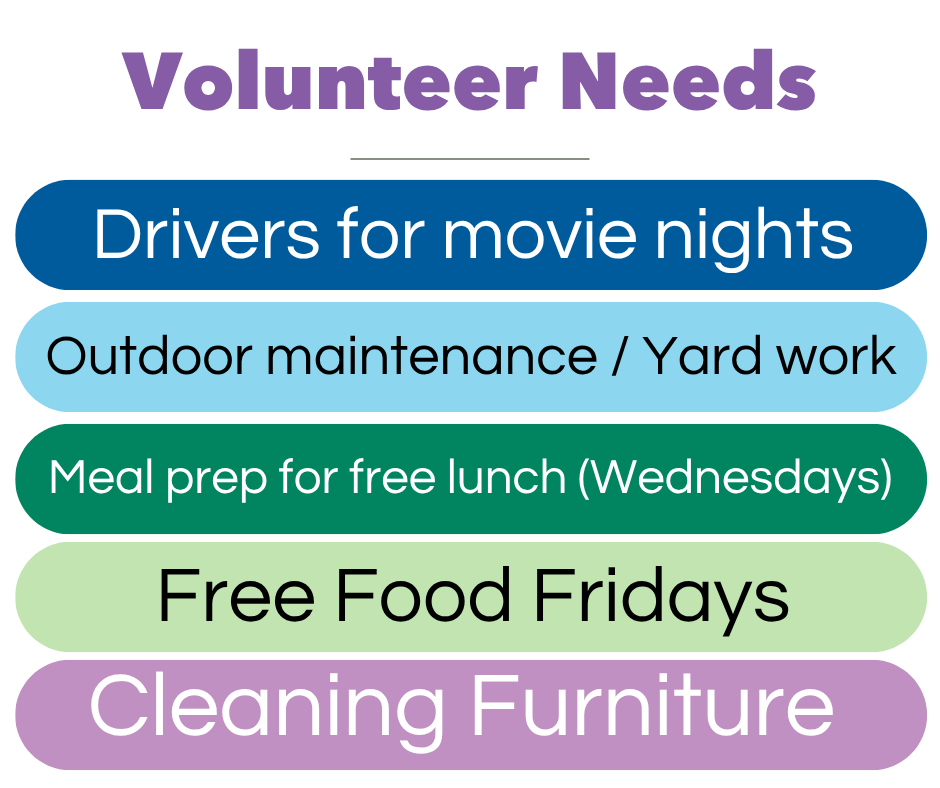
At Momentum Center—through the Friendship Bench, Free Food Fridays, and the everyday work of showing up for one another—we are practicing experimental innovation in real time.
Not because we have it figured out.
But because we are committed to the work.
Try.
Learn.
Forgive.
Try again.
That is how change happens.
And how we become the light for one another.
Namaste,
Barbara Lee
Experi-Mentor
Barbara@MomentumCenterGH.org